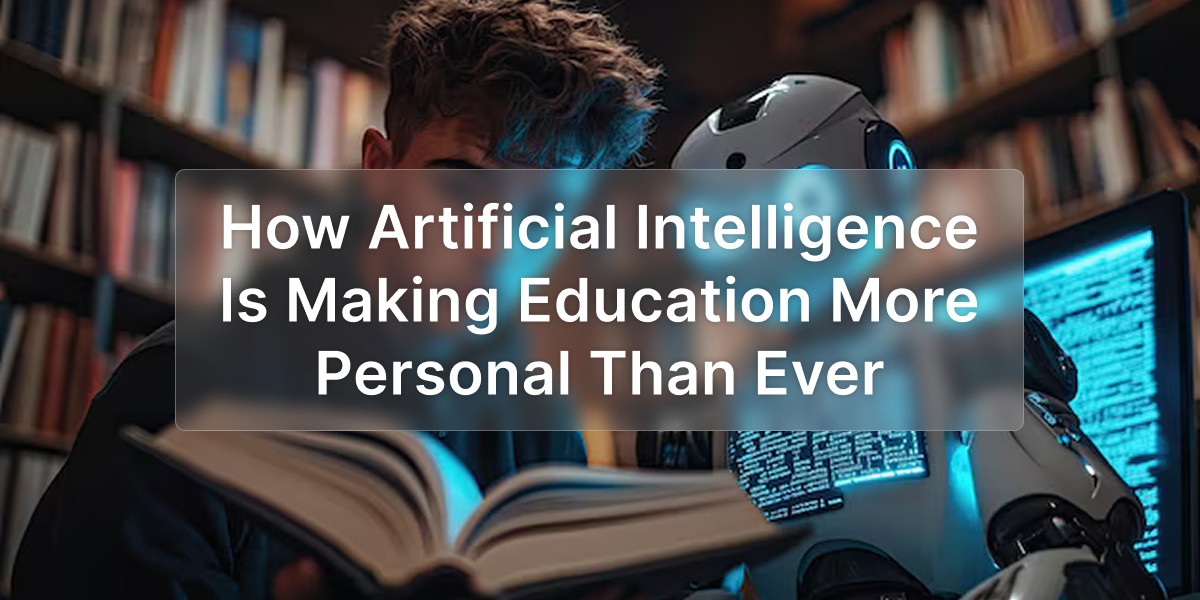
Artificial Intelligence (AI) is no longer just a futuristic idea it is actively transforming the way students learn and educators teach. One of its most powerful impacts is in creating personalized learning experiences that adapt to each student’s unique needs, pace, and abilities.
The Shift from One-Size-Fits-All to Personalized Learning
Traditional education systems often follow a standard curriculum designed for large groups of students. However, every learner is different. Some grasp concepts quickly, while others need extra time and support. AI changes this dynamic by analyzing student performance, behavior, and engagement to create custom learning paths. AI-powered platforms can adjust lessons in real time. If a student struggles with a topic, the system provides additional resources, simpler explanations, and more practice. If a student excels, AI introduces more advanced materials to keep them challenged and motivated.
Real-Time Feedback That Accelerates Learning
Feedback plays a crucial role in learning, but in traditional settings, it can be delayed. AI solves this by offering instant assessment and feedback. Quizzes, exercises, and even written assignments can be evaluated immediately, helping students understand mistakes and improve faster. This immediate response keeps learners engaged and reinforces knowledge while the topic is still fresh in their minds.
How AI Supports Teachers Instead of Replacing Them
AI is not here to replace educators it’s here to empower them. By automating tasks such as grading, attendance tracking, and performance analysis, AI reduces administrative burdens. Teachers gain more time to focus on mentoring students, encouraging creativity, and providing emotional and social support. AI-generated insights also help educators identify students who may be struggling, allowing for early intervention before problems grow.
Making Education More Accessible and Inclusive
One of AI’s most meaningful contributions is improving accessibility. AI tools can convert text to speech, offer real-time language translations, and adapt content for students with learning disabilities. This creates a more inclusive environment where every student has a better chance to succeed. Learners from different regions, backgrounds, and abilities can access high-quality education tailored to their needs.
24/7 Learning Through AI-Powered Support
AI is extending learning beyond classroom walls. Intelligent tutoring systems, adaptive learning apps, and AI chatbots provide round-the-clock assistance. Students can ask questions, get explanations, and continue learning anytime, making education more flexible and continuous. This is especially valuable in online and remote learning environments, where personal guidance may otherwise be limited.
Challenges and Ethical Considerations
Despite its benefits, AI in education comes with responsibilities. Protecting student data, ensuring privacy, and maintaining ethical use of information are critical. Schools and technology providers must work together to use AI responsibly, transparently, and securely. The goal should always be to enhance human learning not replace meaningful human interaction.
The Future of Personalized Education
AI is helping education evolve from a standardized system to a student-centered experience. By combining the empathy and expertise of teachers with the intelligence of technology, learning becomes more engaging, adaptive, and effective. The future of education isn’t just digital it’s intelligently personalized, giving every learner the opportunity to reach their full potential.